The Art of Portrait Painting: Tips and Techniques
- halfmoonbay26
- Nov 2, 2025
- 3 min read
Portrait painting captures more than just a likeness. It reveals personality, emotion, and story through brushstrokes and color. Whether you are a beginner or an experienced artist, mastering portrait painting requires understanding both technical skills and artistic intuition. This post explores practical tips and techniques to help you create compelling portraits that resonate with viewers.
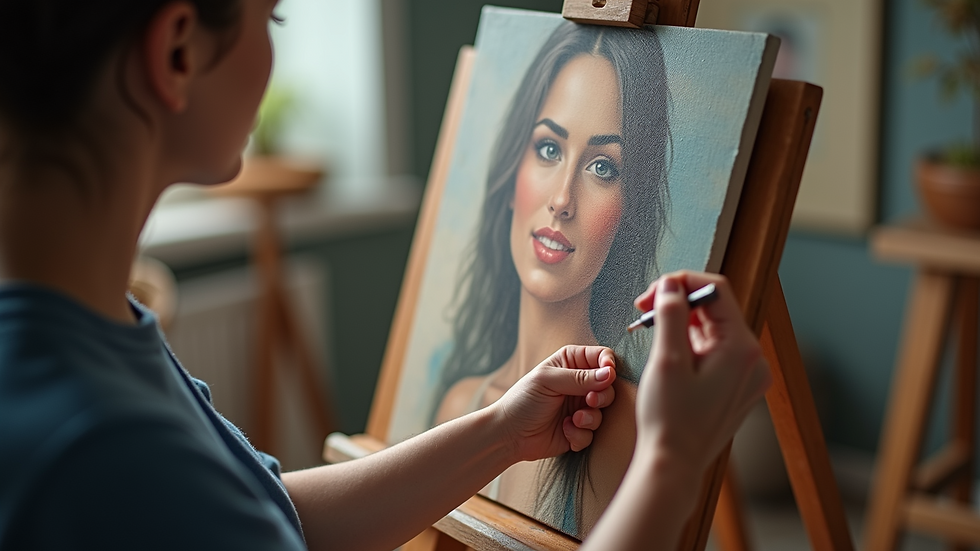
Understanding the Basics of Portrait Painting
Before picking up your brush, it’s essential to grasp the fundamentals of portrait painting. This foundation will guide your creative decisions and improve your results.
Study Human Anatomy and Proportions
Knowing the structure beneath the skin helps you paint faces that look natural and believable. Focus on:
Skull shape and how it influences the face’s outline
Placement of eyes, nose, mouth, and ears relative to each other
Variations in facial proportions across ages, genders, and ethnicities
For example, the eyes typically sit halfway down the head, and the space between the eyes is about one eye’s width. These rules provide a starting point but remember to observe your subject closely for unique features.
Choose the Right Materials
Your choice of materials affects the texture, color, and overall feel of your portrait. Common options include:
Oil paints for rich colors and smooth blending
Acrylics for faster drying and versatility
Watercolors for a light, transparent look
Select brushes with fine tips for details and larger brushes for broad strokes. Quality canvas or paper also impacts the final appearance.
Capturing Likeness and Expression
A successful portrait goes beyond technical accuracy. It captures the essence of the person.
Observe Your Subject Carefully
Spend time studying your subject’s face from different angles and lighting conditions. Notice:
Unique features like freckles, wrinkles, or scars
The way light creates shadows and highlights
Subtle expressions that reveal mood or personality
Using a mirror or photographs can help, but live sittings often provide the richest information.
Start with a Light Sketch
Begin your painting with a light pencil or charcoal sketch to map out proportions and placement. This step prevents mistakes and guides your brushwork.
Focus on the Eyes
The eyes often draw the viewer’s attention first. Paint them with care, capturing the sparkle, shape, and shadows. Well-rendered eyes bring life to the portrait.
Techniques to Enhance Your Portraits
Experimenting with different techniques can add depth and interest to your work.
Layering and Glazing
Build your portrait gradually by applying thin layers of paint. This method allows you to adjust colors and tones subtly. Glazing with transparent colors can create luminosity, especially in skin tones.
Use of Color
Skin tones are complex and vary widely. Mix colors carefully, combining reds, yellows, blues, and browns to achieve realistic shades. Avoid flat colors by adding subtle variations for shadows and highlights.
Texture and Brushwork
Vary your brushstrokes to suggest different textures:
Smooth blending for soft skin
Rough, directional strokes for hair or fabric
Impasto (thick paint) for highlights or expressive effects
This variety keeps the portrait visually engaging.
Common Challenges and How to Overcome Them
Portrait painting can be demanding. Here are solutions to frequent issues.
Getting Proportions Wrong
If features look off, step back and compare your painting to the subject. Use measuring tools like a pencil held at arm’s length to check distances and angles.
Flat or Lifeless Faces
Add dimension by emphasizing light and shadow. Use a limited palette to focus on value contrasts before adding color.
Stiff or Unnatural Expressions
Capture natural expressions by observing your subject’s relaxed face. Avoid overworking details early on; sometimes less is more.
Practical Exercises to Improve Your Skills
Consistent practice builds confidence and skill.
Quick sketches of faces from photos or life to train observation
Value studies in black and white to understand light and shadow
Color mixing drills to master skin tones
Copying master portraits to learn techniques and styles
Try painting different ages, ethnicities, and expressions to broaden your experience.
Final Thoughts on Portrait Painting
Portrait painting combines technical skill with emotional insight. By studying anatomy, observing closely, and practicing varied techniques, you can create portraits that tell stories and connect with viewers. Keep experimenting and learning from each painting. Your unique style will emerge over time.
If you want to deepen your skills, consider joining local art classes or online workshops focused on portraiture. Sharing your work with other artists can provide valuable feedback and inspiration.
Start your next portrait with confidence and curiosity. Each brushstroke brings you closer to capturing the human spirit on canvas.


Comments